


Politics

Share
Published 14:11 23 Jun 2026 BST
Updated 14:51 23 Jun 2026 BST

It's been one rollercoaster of a 26-year period for all of us stranded on this floating island stuck just 20 miles off mainland Europe.
And Europe has surely had a large role to play in the last two-and-a-half decades which have defined the United Kingdom.
From the Iraq War to the financial crisis to Covid and Brexit, we've been through the wringer more times than we've had prime ministers in the last 10 years.
Speaking of the revolving door of prime ministers, we've put them all in order from best to worst - of course it's just in our opinion and you're very much welcome to disagree.
Since the turn of the millennium, the UK has had eight prime ministers.
That's about one every three-and-a-quarter years, significantly less than the five-year term expected to be fulfilled when a leader is voted into power.
We'll soon have a ninth, following the resignation of Keir Starmer and his likely replacement by former Manchester Mayor and now Makerfield MP Andy Burnham.
With Keir Starmer suffering from an eventual lack of backing from within his own party, as well as large unpopularity outside of it, many have taken to calling him the worst prime minister in recent history.
However, is this really true? Have we forgotten those who came before him?
We thought, to get the best overview of this claim, we would need to rank every prime minister in the 21st century.
So without further ado, here's the (very subjective) list:
Don't even need to explain this one.
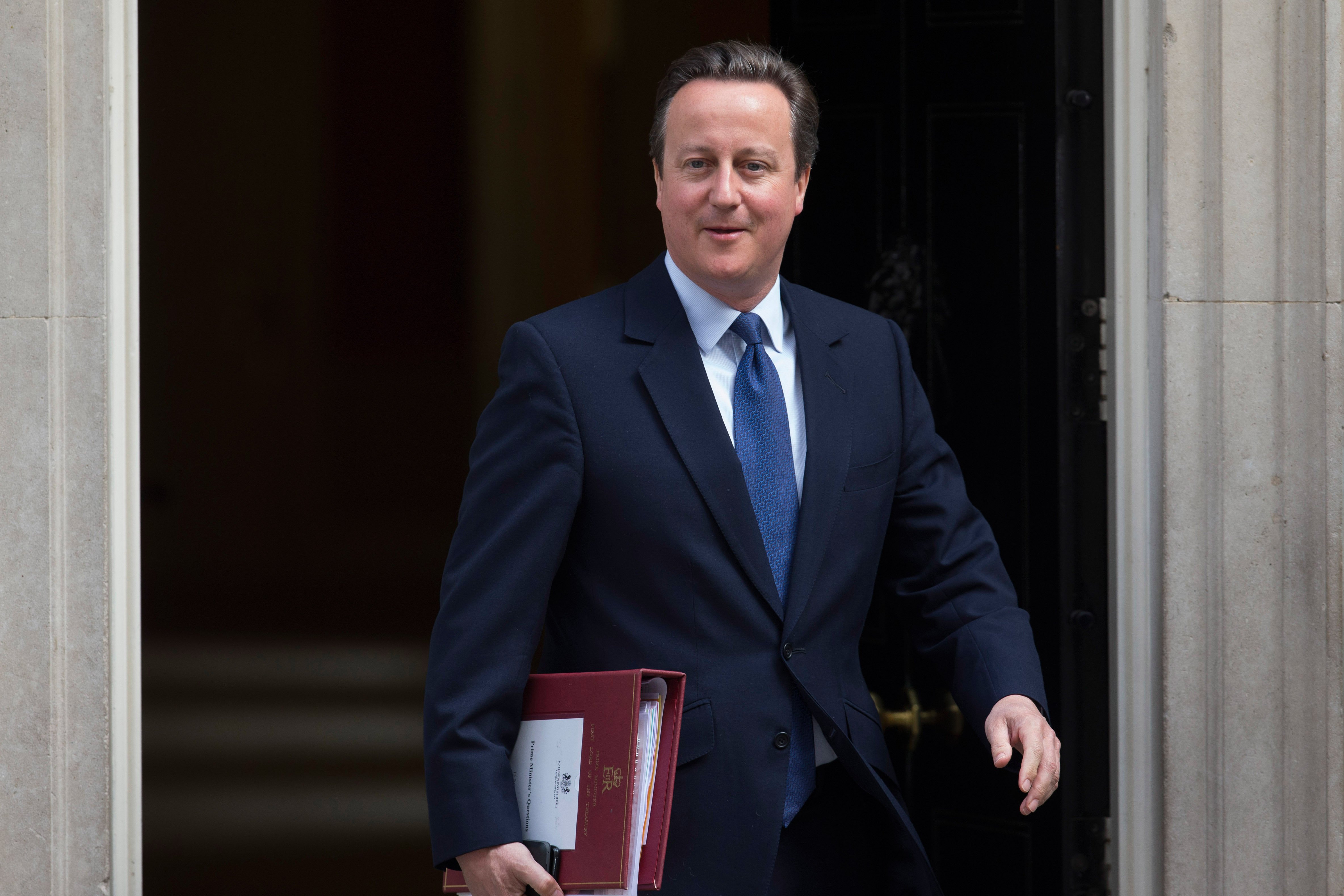
The author of Brexit and the man that laid the groundwork for a decade of chaos in the UK.
The negative impacts of that fateful referendum have been well documented.
A study from the National Bureau of Economic Research (NBER) and the Bank of England estimated that Brexit reduced UK GDP by 6–8% by 2025, compared with a scenario where the UK had remained in the EU.
David Cameron. Credit: Getty.
The same study found a dip in productivity and investment.
Meanwhile, many people voted to leave the EU to 'regain control of UK borders', however, this move ultimately led to a sharp increase in immigration into the UK as well as the end of free movement for Brits around much of Europe.
The country continues to feel the ramifications of Brexit and the discourse of strengthening ties with the EU continues to grow.
Probably quite lucky to be this high, but the competition at the bottom is fierce.
A man who was also a keen supporter of Brexit, Johnson would be effectively known as a 'passion merchant' if he was a journeyman footballer in the Premier League.
Boris Johnson. Credit: Getty.
It described the culture in Boris Johnsons' government as “toxic and chaotic”.
Theresa May came into power following David Cameron's resignation and was instantly tasked with navigating the Brexit process.
This would go on to define May's government, managing to negotiate withdrawal terms and putting on a robust defence in the face of a volatile environment.
A quiet remainer, May was forced to do the nation's bidding.
She could be higher in this list, but the embarrassment of losing her small majority in parliament in the 2017 snap election and the Windrush scandal remain notable faux pas of her term.
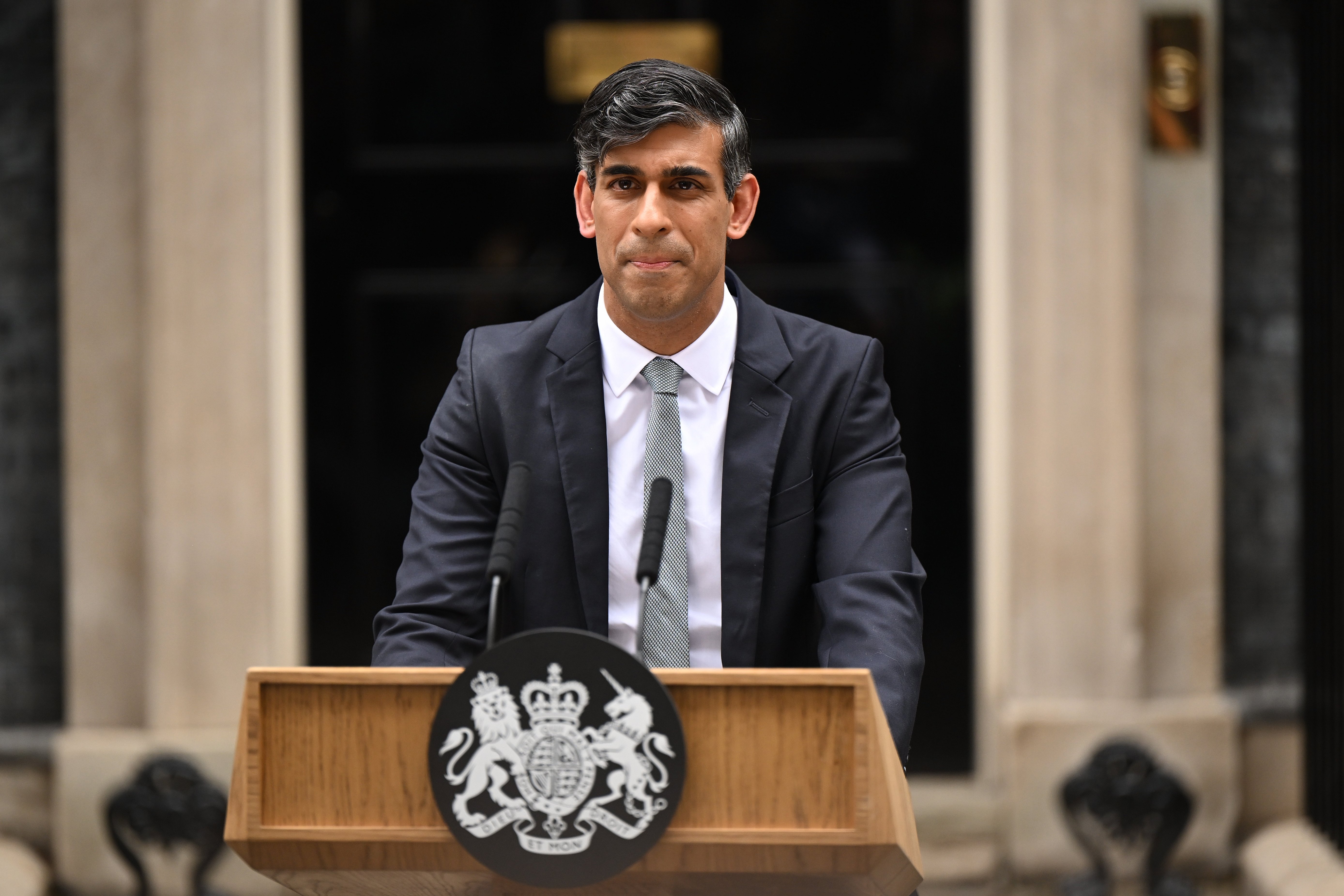
Generally seen as an alright bloke, Rishi Sunak took over from the car-crash term of Liz Truss, but ultimately inherited the toxic Johnson government navigating the post-Covid and post-Brexit world.
While the non-dom status around his wife allowed her to legally avoid paying UK taxes on millions of pounds in overseas dividends, she did announce she would voluntarily pay UK tax on her worldwide income after public outcry - and no, this is not a redeeming factor.
Rishi Sunak. Credit: Getty.
A fairly uneventful 20 months as prime minister saw some resemblance of stability brought to the economy in the wake of Truss' famous 'mini-budget', however growth was slow and he eventually left office after losing the 2024 general election to Keir Starmer with a whimper.
Yeah - it's still fresh, but hindsight is likely to treat Starmer kindly.
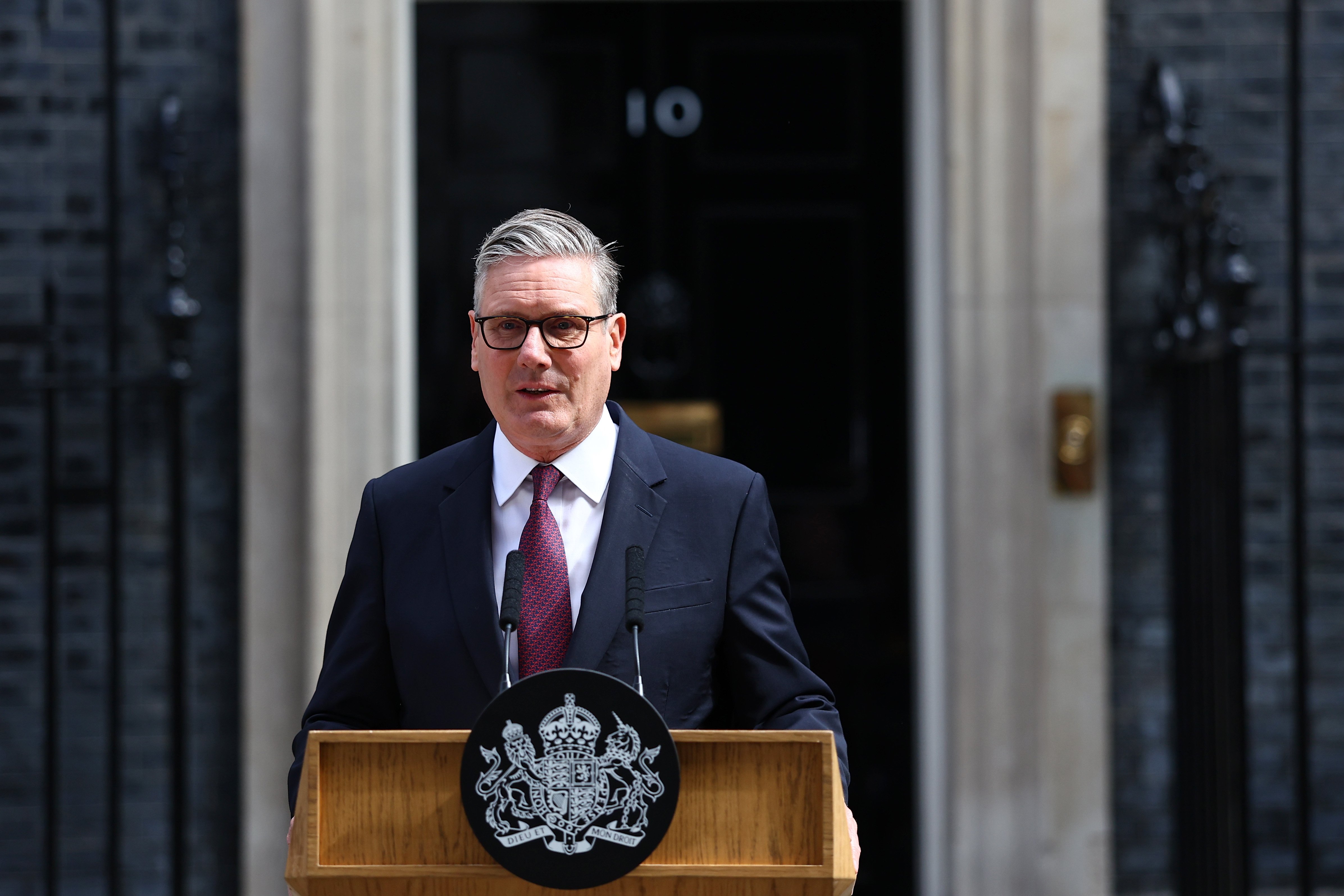
Also painted with the same 'decent bloke' brush as Sunak, Starmer lacked the bite and presence that a prime minister needs to win popularity across the nation.
Starmer hit roadblocks surrounding cuts to the Winter Fuel Payment, the Peter Mandelson scandal and a hugely unpopular Autumn Budget - all contributing to his downfall.
Keir Starmer. Credit: Getty.
However, you can't help but feel Starmer has suffered from a culture of a need for instant change as well as the desire in Labour to have a stronger leader to take on Reform and Nigel Farage.
Quietly though, his government brought in a number of significant reforms, including the Renters' Rights Act, a steadily growing economy and the lowest NHS waiting lists in years.
Gordon Brown's time as prime minister is pretty much wholly defined by the 2008 financial crisis and his response to it.
While at the time things looked bleak, Brown is proof that hindsight is a wonderful thing and he is widely credited with helping to prevent a deeper collapse in the UK.
Working with other major world leaders, Brown was able to reduce the impacts of the crash, but wasn't able to maintain popularity and communicate as effectively as his predecessor, Tony Blair.
While Brown did help to introduce support for some of the most vulnerable in society - such as the National Minimum Wage, Child Tax Credits and the Winter Fuel Allowance - this was done as chancellor under Tony Blair so it's hard to credit to him in a 'prime minister ranking' list.
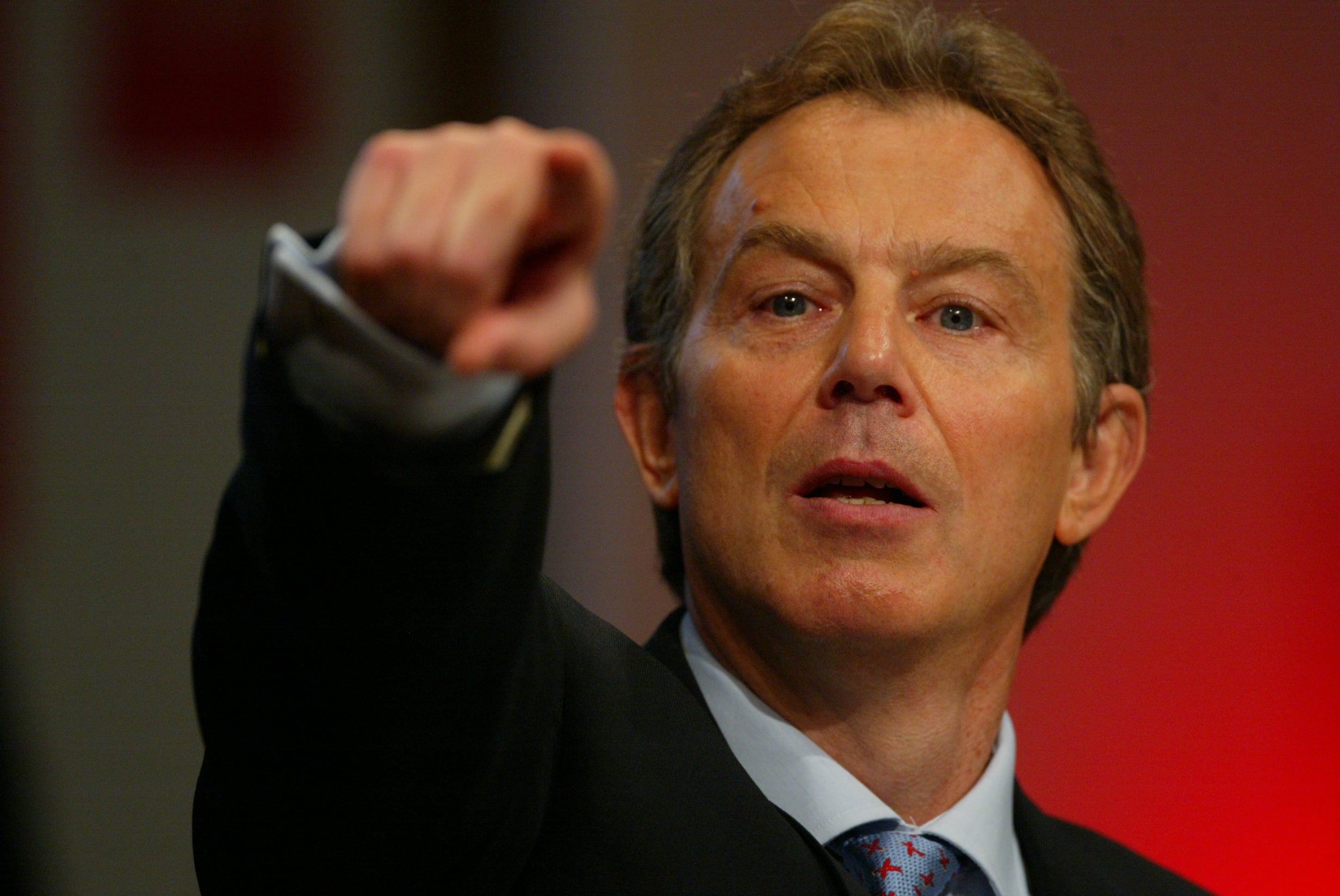
Tony Blair. Credit: Getty.
Look, no one is saying any of these prime minister were great - we all know the job is a poison chalice.
However, someone does have to be top and it is probably Tony Blair.
Prime minister at a pivotal point in the UK's history, he bridged the transition from the 20th to the 21st century.
While his foreign policy is one full of controversy, domestically it's hard to argue with the change that Blair brought to the UK.
'New Labour' offered hope and change, bringing economic growth and devolution to the nations within the United Kingdom, establishing the Scottish Parliament and Welsh Assembly.
He also restructured the House of Lords, removing nearly all hereditary peers.
Blair brought in more civil rights for the LGBTQ+ community and became a heroic figure in Kosovo for his support for the nation.
He his held in such high regard there that he has a road named after him, a statue and a number of Kosovans named after him called 'Tonibler'.
He remains the longest serving Labour prime minister and, along with Margaret Thatcher, is the only prime minister in modern history to win three consecutive general elections.
So, there you have, all the prime ministers of the 21st century ranked from worst to best.
Where will Andy Burnham rank if he does indeed become PM? It's hard to know.
However, seeing as the competition isn't exactly tough, you never know, things can only get better...at least that's what they say.
Explore more on these topics:
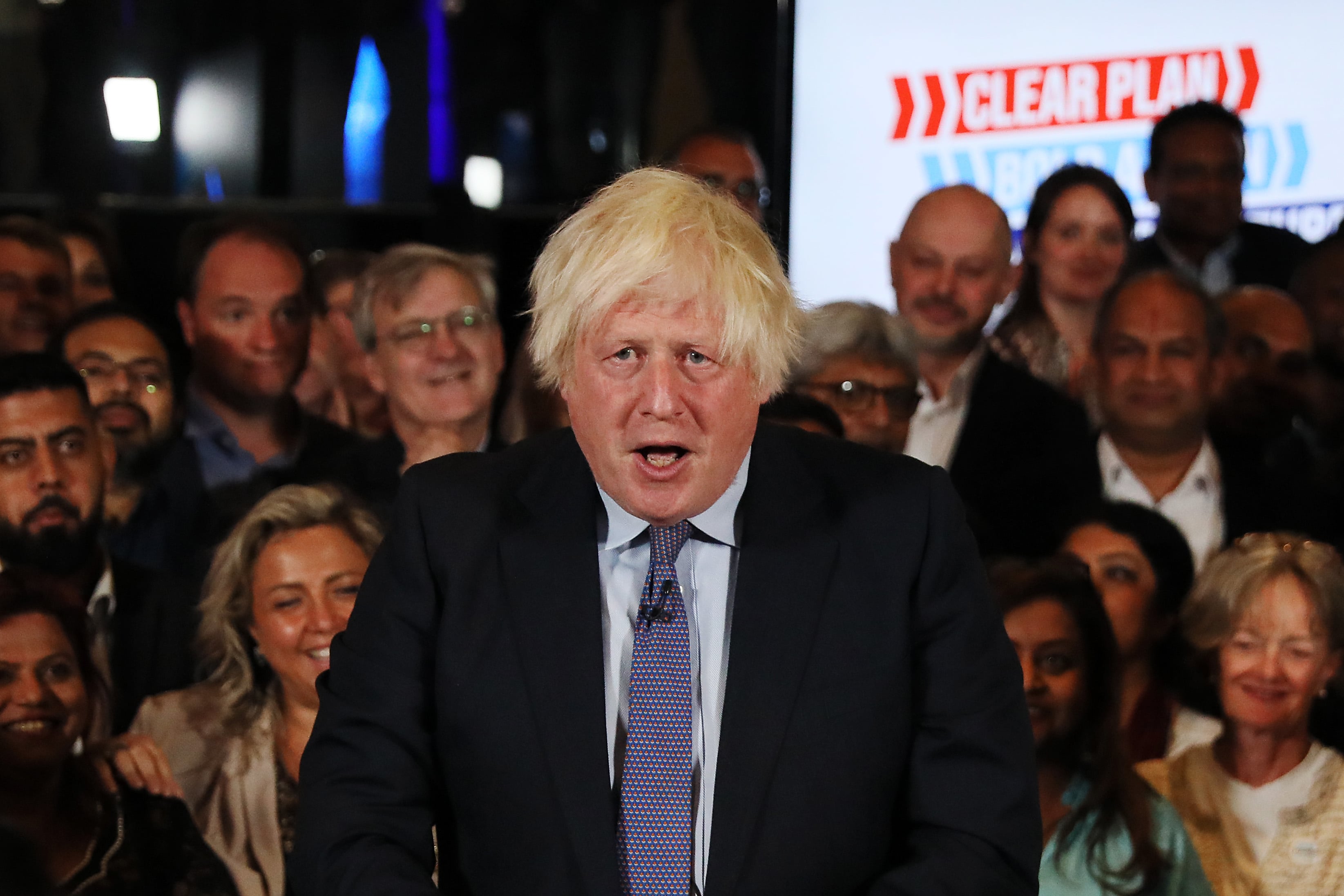
Lucky to have a presence that papered over the massive cracks, some of Johnson's biggest hits include the partygate scandal - when the Tory party were busy wining and dining while the rest of us were confined to lockdown - the unlawful prorogation of parliament and the damning Covid inquiry which claimed that a lockdown even a week earlier than happened could have saved more than 20,000 lives.

Politics

Politics

Politics
Politics
Keir Starmer’s speech in full as he resigns as Prime Minister
It was an emotional speech Keir Starmer has resigned as prime minister of the United Kingdom. The announcement was made this morning (Monday 22 June) with Starmer addressing the nation from outside No 10. It comes following reports before and over the weekend that Starmer would be considering his future ahead of today.The Times reported on […]
Politics
1 day ago
Farage claims Reform won in Makerfield – if you think about it
Some insane mental gymnastics here… Nigel Farage has issued a statement full of coping and excuses after Reform’s crushing defeat to Andy Burnham in the Makerfield by-election. In the early hours of Friday morning, Labour’s Burnham stormed to victory in the Makerfield by-election, winning 55% of the vote. The win sees him return to Parliament […]
Politics
4 days ago
Mick Lynch calls out ‘despicable’ Reform as he humiliates Laila Cunningham on Newsnight
Politics


