


Lifestyle

Share
Published 13:41 8 Jun 2026 BST
Updated 13:41 8 Jun 2026 BST

While going to the restaurant is an expensive treat for many, you can make sure to get the best from every menu, as experts have given their advice.
Restaurant critics have shared their insider secrets and how you can order well when you eat out, to make sure you have the best possible experience when dining.
As they revealed their tips to The Guardian, critics and restaurant writers have you covered to make sure your spending won’t break the bank.
According to broadcaster, columnist and restaurant writer for Broadsheet London, Jimi Famurewa, he “would normally have a glance at the menu”.
However, he adds that what can enhance your whole experience is a bit of mystery.
“There is something to be said for having an element of surprise, like a bistro or gastro pub where they write the menu every day. If you have a vague idea that it is cuisine you like, or you’ve seen some dishes online that look appealing, then you’ll be all right.”
London-based food writer and co-editor of Vittles, Jonathan Nunn, says that “being able to judge from a menu whether a restaurant is worth your time is tricky”.
Meanwhile, Adam Platt, the former restaurant critic of New York magazine and author of The Book of Eating, says that “in New York, the fashionable restaurants go through phases, and all the menus tend to look the same”.
“As a critic, I would look for the strangest or most emblematic stuff [on a menu] that tells a story. If lamb is on the menu, I find it boring, because lamb has a very distinctive taste and is usually served the same way.”
According to Famurewa, you shouldn’t feel pressured to decide quickly, which can be hard at the start of the meal when you are catching up with someone you haven’t seen for a while and you have a table for 90 minutes.
He says that “if you see snacks or bites, order a couple of those while you peruse”, adding that “it takes the pressure off, calms everyone down, and the people you are with will be impressed by you taking charge.”
“Diners have become more comfortable with cuisines where dishes are meant to be shared, so the skill of ordering for the table is increasingly valuable,” agrees Nunn.
Famurewa argues that “the top of the menu tends to be where a lot of the great value and creativity is”.
“At Town in Covent Garden, for example, you can get a chickpea pancake, some amazing pickles, and a yoghurty dip for £4.”
Chitra Ramaswamy, the restaurant critic for the Scottish edition of the Times, agrees that “starters are the best things at restaurants”.
Perhaps because “when you are at that stage of a meal, you’re so full of anticipation, hunger and excitement that the food tastes its best. Also, chefs often try out things in the starter section, so you tend to get more interesting food. I would never go to a restaurant and not have a starter.”
According to Ramaswamy, “I wouldn’t dream of ordering the same thing as the person I’m eating with. I am a big believer in swapping plates and trying each other’s food.”
Platt, meanwhile, says that “I am happy to share stuff. In New York, Italian has replaced French as the dominant cuisine and you are always being force-fed pasta courses, so the only way to survive that is to share them.”
Ramaswamy says that if you don’t know what something on the menu is, you shouldn’t get your phone out.
“Restaurants are a rare chance to resist our attention being captured by technology. There is a human standing right there whose job it is to find out those things for you. The chances are, they will be thrilled to tell you.”
Famurewa adds that “no question is too obvious, and that quite often, things on a menu will be deliberately opaque or mysterious, such as ‘holiday potatoes’ at Wildflowers in London, which are like parmentier – little olive-oil-fried roast cubes with rosemary.”
Ramaswamy admits she has made mistakes with the specials in restaurants.
“I’ve gone to a restaurant where I’ve ordered off the specials and then realised afterwards that the regular menu had been crafted by an executive chef, so it’s really well thought out and coherent. If you’re swept away by the specials, you don’t get that chef’s vision.”
That said, she adds, “you can sometimes get the most fresh, seasonal and rare things on the specials board”, and these should be snapped up. “Dogstar in Edinburgh had the most astonishing mylor prawns cooked over a charcoal grill as a special, and they only had a certain amount in. As I was eating them, it was crossed off the specials board”.
According to Ramaswamy, it is “100%” OK to ask a neighbouring diner what they are eating.
She recalls going to Macau Kitchen in Edinburgh, where the tables are very close to each other.
“That intimacy meant I wanted to know exactly what [others] were eating. They gave us a recommendation, we took their advice and it was absolutely brilliant.”
Famurewa says that “it is classic to fill up not just on bread but get really excited and order loads of starters, and then run out of enthusiasm and stomach space as the mains arrive”.
“You don’t want to annoy the kitchen, but if you change your mind, and you can catch it before it’s made, it’s better to do that than to waste food.”
While it can be difficult to undo an order, you can always order more if you need to.
Ramaswamy says that you should go prepared to take home any food you don’t eat.
“I grew up in an Indian household where we didn’t throw away a single grain of rice. So no matter how fancy the restaurant is, if I don’t finish, I say: ‘Can I take that away?’ The only thing that will stop a person from doing that is embarrassment, in a fine dining restaurant in particular, but in those environments it is even more important because huge amounts of work by many hands has gone into each plate.”
Explore more on these topics:
“Most restaurants, whether they’re a local takeaway or a high-end kitchen, tend towards a template. However, one good sign is spotting something that breaks this template – the use of an unusual ingredient or cut, a regional dish, or something homemade that really doesn’t need to be. It suggests that there is someone in the kitchen who is passionate about what they do. Even if the rest of the menu has no surprises, that one thing may be a sign that the chef cares.”
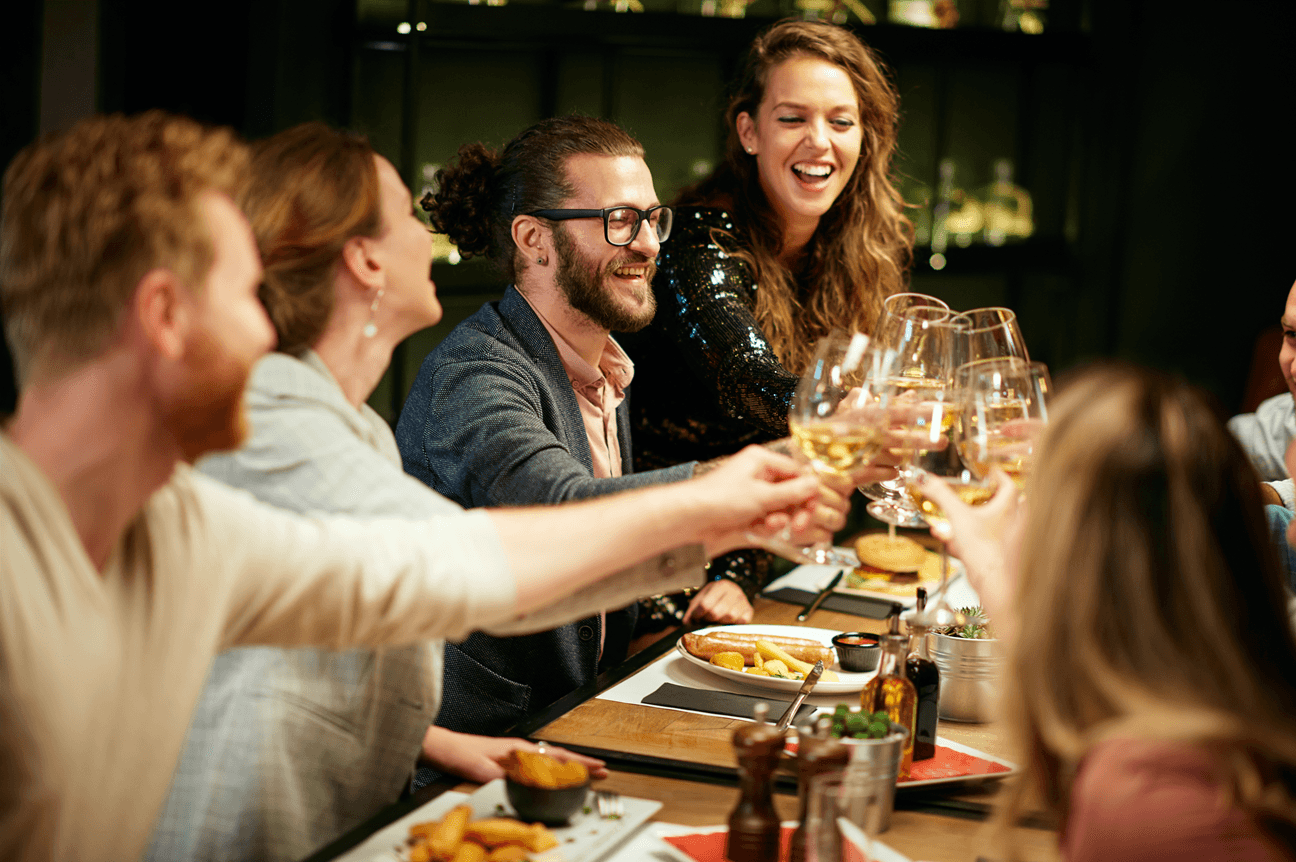

“If you don’t have it, find someone who does and let them take the lead. If you let people just order the things they like the sound of, the meal will descend into chaos. An ideal order for a table should balance meat and fish, and different cooking techniques, along with vegetables and more delicate dishes so the meal is digestible. There is also the art of being able to eyeball, from the number of people at the table, their historic capacity for eating, and their current appetite, exactly how many dishes to order – but this is not something you can teach.”
“You shouldn’t necessarily trust the view of a waiter on what to order in a restaurant,” says Nunn.
“There are many reasons that your goals may not align.” Your server could be, “trying to push you towards a safer dish, bamboozling you into ordering an item that the kitchen needs to get rid of, or upselling you crudo you didn’t want. However, if you’re in a small plates restaurant, it is sometimes worth ordering one fewer dish than required and then asking the waiter if you’ve missed anything. The recommendation will often be a good one.”


Lifestyle

Lifestyle

Lifestyle

Amazon beats Shark price as ‘fantastic’ cordless vacuum slashed by 49%
‘Fantastic piece of kit for the money’ A ‘must-have’ vacuum cleaner for pet owners has been slashed by half price for a limited time. The Shark cordless vacuum that’s said to be the ‘ultimate’ for tackling pet hair has dropped by 49% on Amazon. The model, Stratos Anti Hair Wrap Plus Pet Pro Cordless Vacuum […]
Lifestyle
3 days ago
‘Amazing’ air cooler drops to under £40 ahead of the next UK heatwave
This article contains affiliate links. We may earn a commission on any sales generated from it.
Lifestyle
1 week ago
Lifestyle
Couples warned against Sydney Sweeney ‘sploshing’ trend as heatwave hits UK
Lifestyle


