


Science

Share
Published 17:42 3 May 2022 BST
Updated 18:15 3 May 2022 BST
Explore more on these topics:
 Fatigue has been a lasting problem for people even months after having Covid (iStock)[/caption]
Fatigue, 'brain fog', problems recalling words, sleep disturbances, anxiety and even post-traumatic stress disorder (PTSD) were some of the lasting cognitive and mental health problems that scientists said covid patients can experience months after infection.
They found this by analysing data from 46 people who received in-hospital care - either on the ward or in intensive care units - for covid, 16 of whom experienced enough viral infection that they had to be put on mechanical ventilation.
Patients underwent "detailed computerised cognitive assessment alongside scales measuring anxiety, depression and post-traumatic stress disorder under supervised conditions," the research article stated. Analysis revealed that covid survivors were less accurate and had slower response times when compared with the general population - a difference which was still detectable six months later.
[caption id="attachment_333449" align="alignnone" width="2048"]
Fatigue has been a lasting problem for people even months after having Covid (iStock)[/caption]
Fatigue, 'brain fog', problems recalling words, sleep disturbances, anxiety and even post-traumatic stress disorder (PTSD) were some of the lasting cognitive and mental health problems that scientists said covid patients can experience months after infection.
They found this by analysing data from 46 people who received in-hospital care - either on the ward or in intensive care units - for covid, 16 of whom experienced enough viral infection that they had to be put on mechanical ventilation.
Patients underwent "detailed computerised cognitive assessment alongside scales measuring anxiety, depression and post-traumatic stress disorder under supervised conditions," the research article stated. Analysis revealed that covid survivors were less accurate and had slower response times when compared with the general population - a difference which was still detectable six months later.
[caption id="attachment_333449" align="alignnone" width="2048"]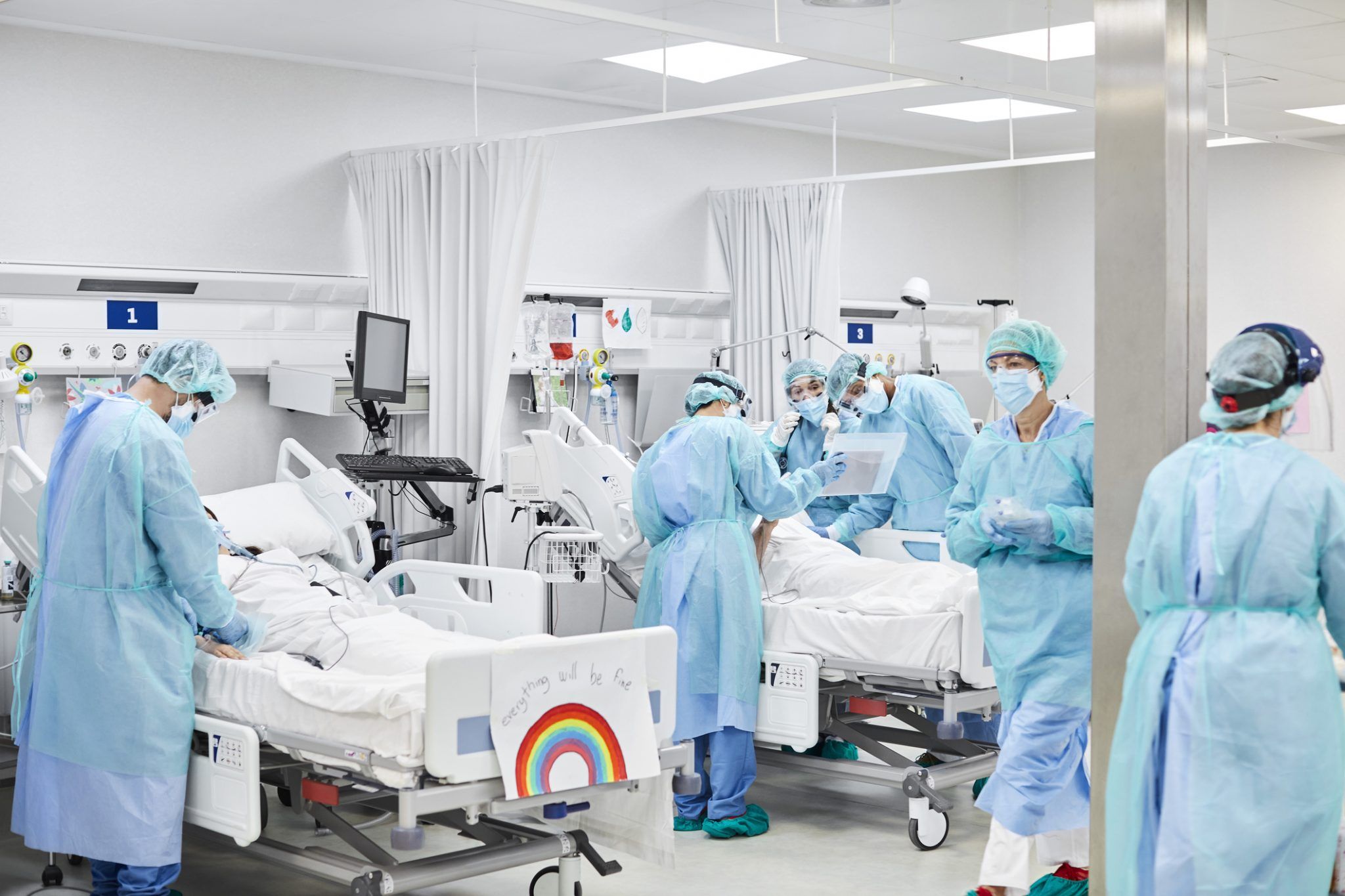 Many patients with severe Covid required ventilation (iStock)[/caption]
The impacts were strongest amongst those who required mechanical ventilation but even patients who weren't sick enough to be hospitalised could have tell-tale signs of mild impairment.
Verbal analogical reasoning was an area that those who had overcome severe covid illness scored especially poorly on when completing tasks. In addition, survivors also found it difficult to find the right words and experienced slower processing speeds.
The study's senior author, Professor David Menon from the Division of Anaesthesia at the University of Cambridge explained: "Cognitive impairment is common to a wide range of neurological disorders, including dementia, and even routine ageing, but the patterns we saw – the cognitive 'fingerprint' of COVID-19 – was distinct from all of these."
There are several factors that could cause the cognitive deficits, researchers said.
[caption id="attachment_333452" align="alignnone" width="2048"]
Many patients with severe Covid required ventilation (iStock)[/caption]
The impacts were strongest amongst those who required mechanical ventilation but even patients who weren't sick enough to be hospitalised could have tell-tale signs of mild impairment.
Verbal analogical reasoning was an area that those who had overcome severe covid illness scored especially poorly on when completing tasks. In addition, survivors also found it difficult to find the right words and experienced slower processing speeds.
The study's senior author, Professor David Menon from the Division of Anaesthesia at the University of Cambridge explained: "Cognitive impairment is common to a wide range of neurological disorders, including dementia, and even routine ageing, but the patterns we saw – the cognitive 'fingerprint' of COVID-19 – was distinct from all of these."
There are several factors that could cause the cognitive deficits, researchers said.
[caption id="attachment_333452" align="alignnone" width="2048"]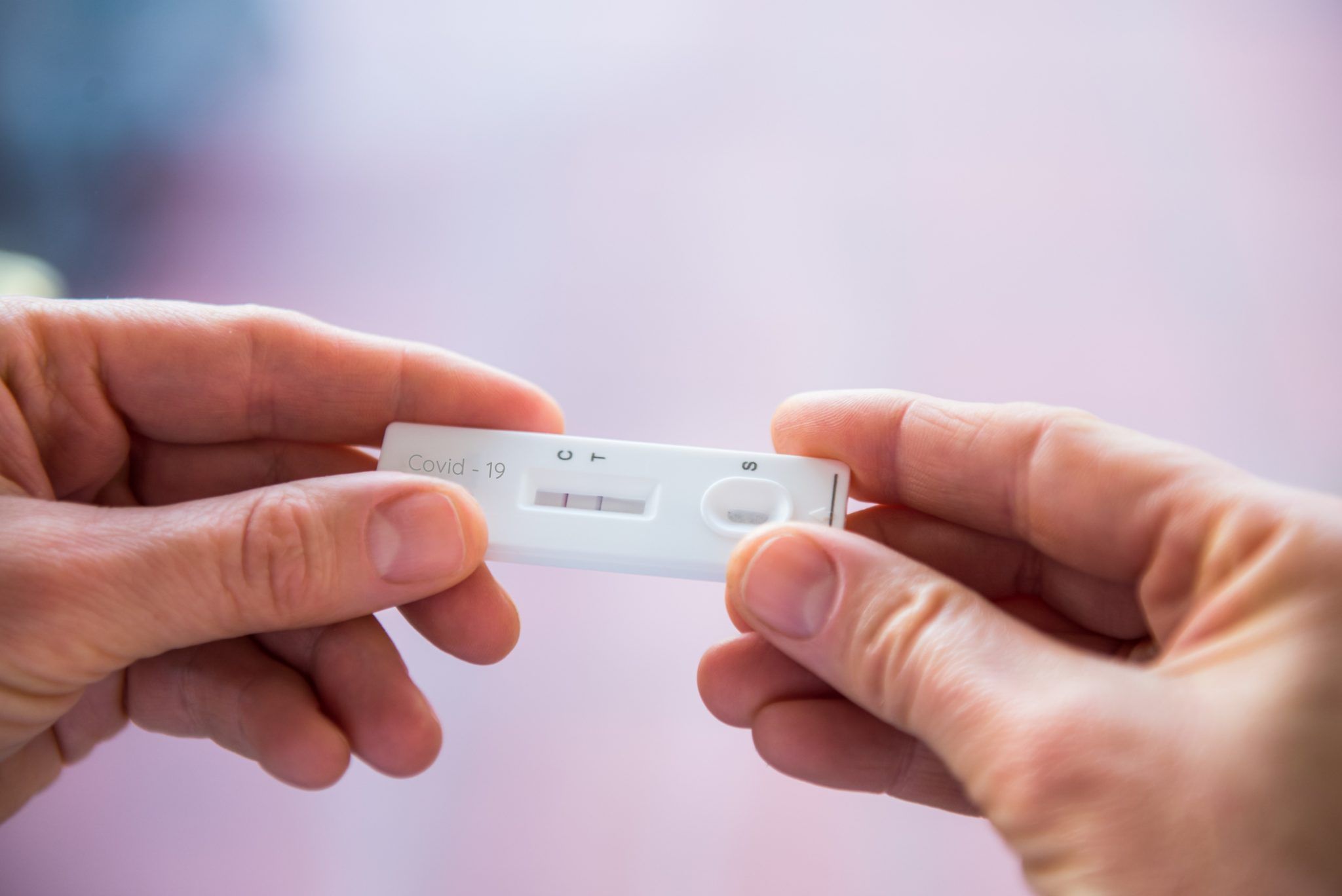 Some patients might never recover (iStock)[/caption]
Direct viral infection is possible culprit however it's unlikely to be a major cause. In fact, researchers found that it is more likely that a combination of factors result in this impact - these include inadequate oxygen or blood supply to the brain, blockage of large or small blood vessels due to clotting and microscopic bleeds.
That said, emerging evidence reveals that the body's own inflammatory response and immune system could cause key damage.
Patient improvement was gradual at best - and for some, researchers predict that they might never properly recover.
Professor Menon said: "We followed some patients up as late as ten months after their acute infection, so were able to see a very slow improvement. While this was not statistically significant, it is at least heading in the right direction, but it is very possible that some of these individuals will never fully recover."
Related links:
Some patients might never recover (iStock)[/caption]
Direct viral infection is possible culprit however it's unlikely to be a major cause. In fact, researchers found that it is more likely that a combination of factors result in this impact - these include inadequate oxygen or blood supply to the brain, blockage of large or small blood vessels due to clotting and microscopic bleeds.
That said, emerging evidence reveals that the body's own inflammatory response and immune system could cause key damage.
Patient improvement was gradual at best - and for some, researchers predict that they might never properly recover.
Professor Menon said: "We followed some patients up as late as ten months after their acute infection, so were able to see a very slow improvement. While this was not statistically significant, it is at least heading in the right direction, but it is very possible that some of these individuals will never fully recover."
Related links:

Science

Science

Science

Science
Supercomputer predicts exactly when humans will become extinct
That doesn’t sound good A supercomputer has predicted when humans will become extinct. Though climate change is always in the news and becoming a priority for governments to tackle, its long term impacts could be devastating not just on the environment but on our species as well. With this in mind, a supercomputer has analysed […]
Science
4 months ago
You need to ejaculate this many times in a month to prevent prostate cancer, experts say
Bashing the bishop is a scientifically proven way of staying healthy Regular ejaculation is something of a cheat code when it comes to shielding yourself from cancer. In a study published by European Urology, which followed 32,000 men for 18 years, scientists discovered the magic number of 21 times per month will reduce the chances […]
Science
4 months ago

Science
The world could end in 25 years, says Oxford scientist
Science


